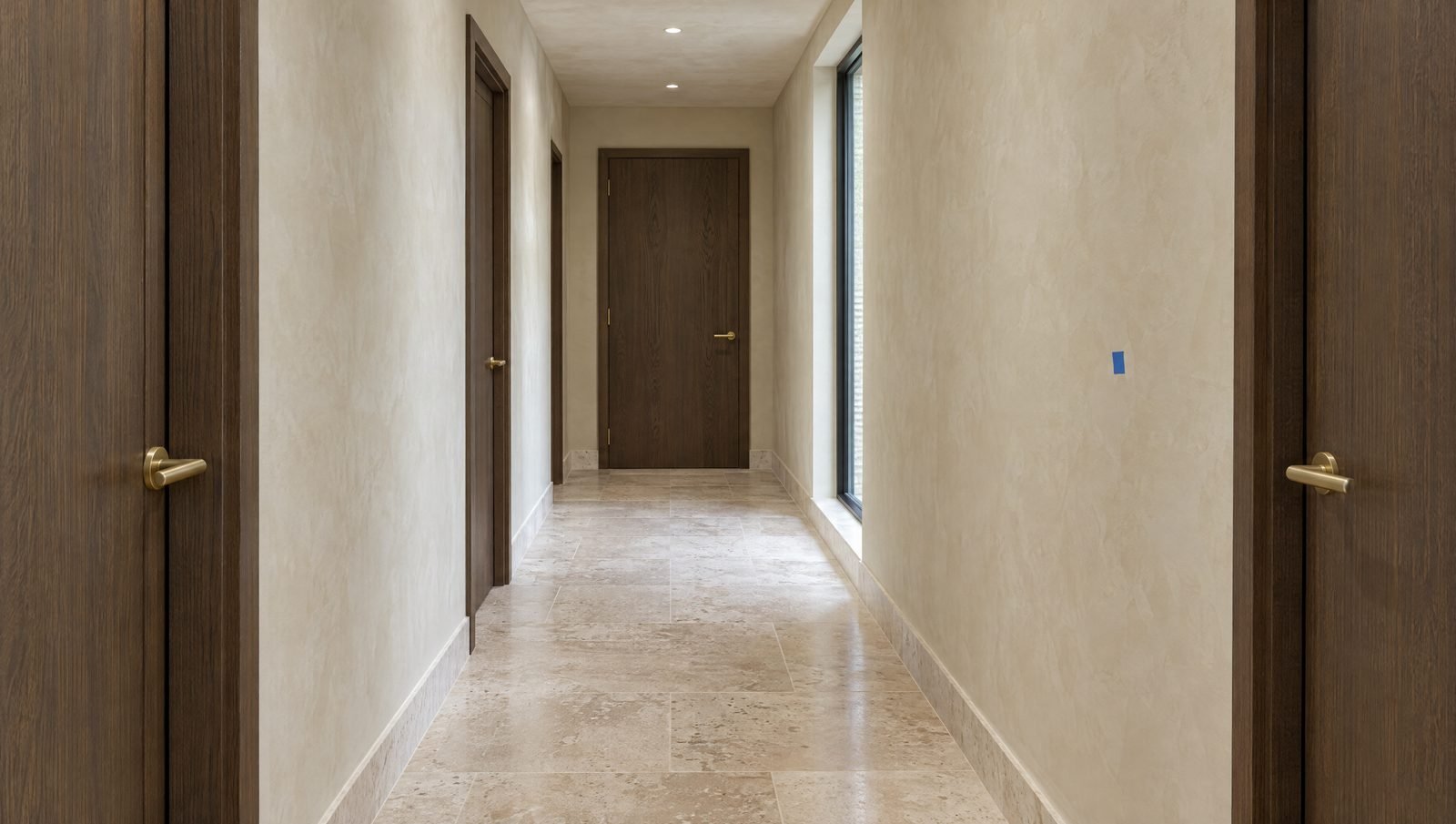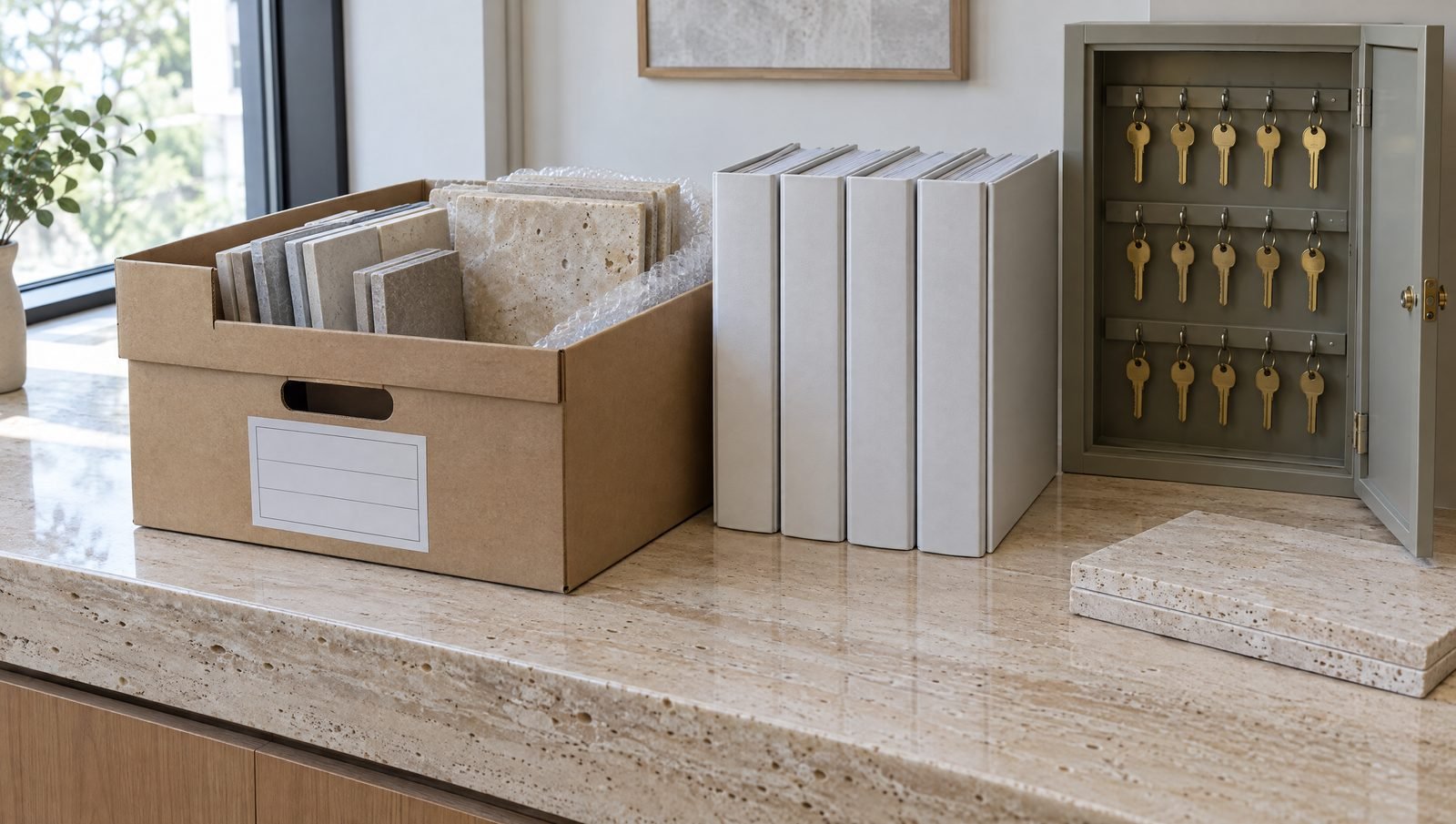
On the last day of a fit-out the owner should receive a handover file with the as-built drawings for every trade, the test and commissioning certificates, the civil defence documents, operation and maintenance manuals, manufacturers' warranties, a schedule of every finish and its supplier, the keys and access cards against a list, and the snag list with its close-out dates. Without it, every future repair starts with opening a ceiling to find out what is inside.
What should a fit-out handover file contain?
| Document | What it is for | Who needs it later |
|---|---|---|
| As-built drawings, every trade | Where each pipe, duct, cable and valve really went | Maintenance, the next fit-out |
| Test and commissioning certificates | Proof each system worked at handover | Civil defence, insurers, the landlord |
| Civil defence documents | The approved design and the safety licence file | Renewal of the safety licence |
| Operation and maintenance manuals | How each system is run, serviced and reset | The maintenance company |
| Manufacturers' warranties | Cover beyond the contractor's defects period | The owner, at the first failure |
| Finishes schedule | Every material, its code and its supplier | Anyone repairing or matching a finish |
| Keys and access cards | Every key, against a numbered list | Operations, security |
| Snag list and close-out | What was open at handover, and when it closed | The owner, the contractor |
| Spare materials | A small stock of tiles, panels and paint from the same batch | Repairs that must match |
Why do as-built drawings matter more than the design drawings?
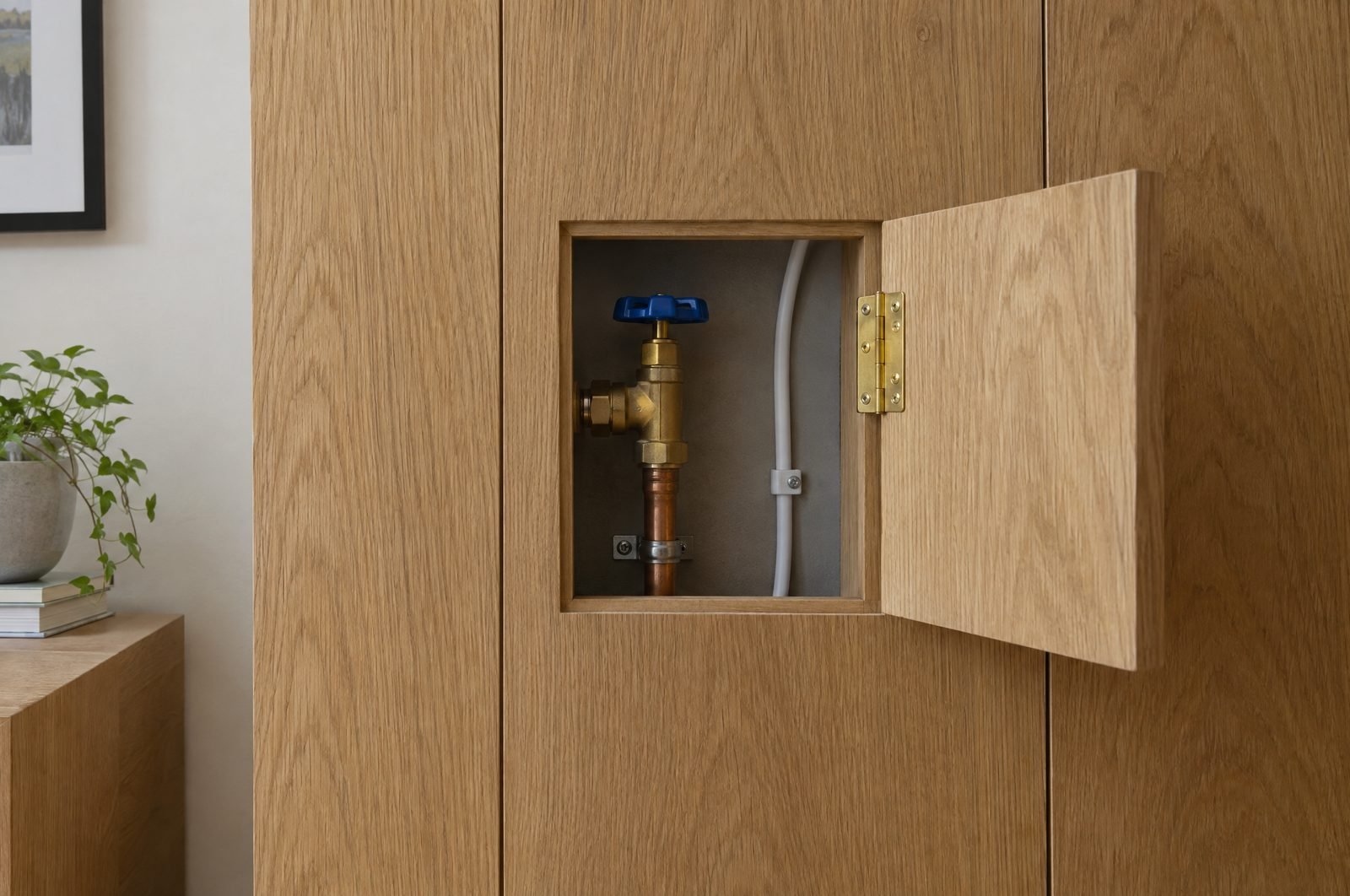
Because sites change. A duct drops to clear a beam; a valve moves to where it can be reached. The design drawings show the intention; the as-builts show the ceiling you will open in three years' time. A file with design drawings stamped «as built» is a file that has not been done.
What happens on handover day?
- The snag walk. Owner and contractor walk every room together and mark what is not right. Each snag is listed with a photo and a date.
- The systems demonstration. The operator is shown the thermostats, the lighting controls, the extract, the alarm panel and the suppression reset.
- The file. Handed over in print and in digital form, indexed by trade.
- The keys. Counted against the list and signed for.
The contractor's work is not finished at handover; the snags are. Ours close within 14 days, and the defects liability period, 12 months, 24 on MEP, runs from the handover date.
Who needs the file after the owner?
The maintenance company, on its first visit. The civil defence inspector, at renewal. The landlord, when the lease ends and the unit is inspected. The next tenant's contractor. A landlord handing a floor to a tenant needs one more thing: a file written for the tenant, so their fit-out starts from facts. The ready-to-work floors page covers it.
When should the handover file be asked for?
Before you sign the contract. Put its contents in the contract as a deliverable, tie the final payment or the release of retention to it, and ask to see one from a previous project. The five questions to ask before you sign start there.
Questions owners ask
Should the handover file be digital or printed?
Both. Print for the site office and the inspector; digital, indexed by trade, for the maintenance company and the next contractor.
What is the difference between the defects period and a warranty?
The defects period is the contractor's obligation to fix its own work. A warranty is the manufacturer's cover on a product, and it can run longer. The file should hold both, with their dates.
Can handover happen with snags still open?
Yes, if they do not stop the premises opening safely. They are listed, dated and closed after; ours within 14 days.